
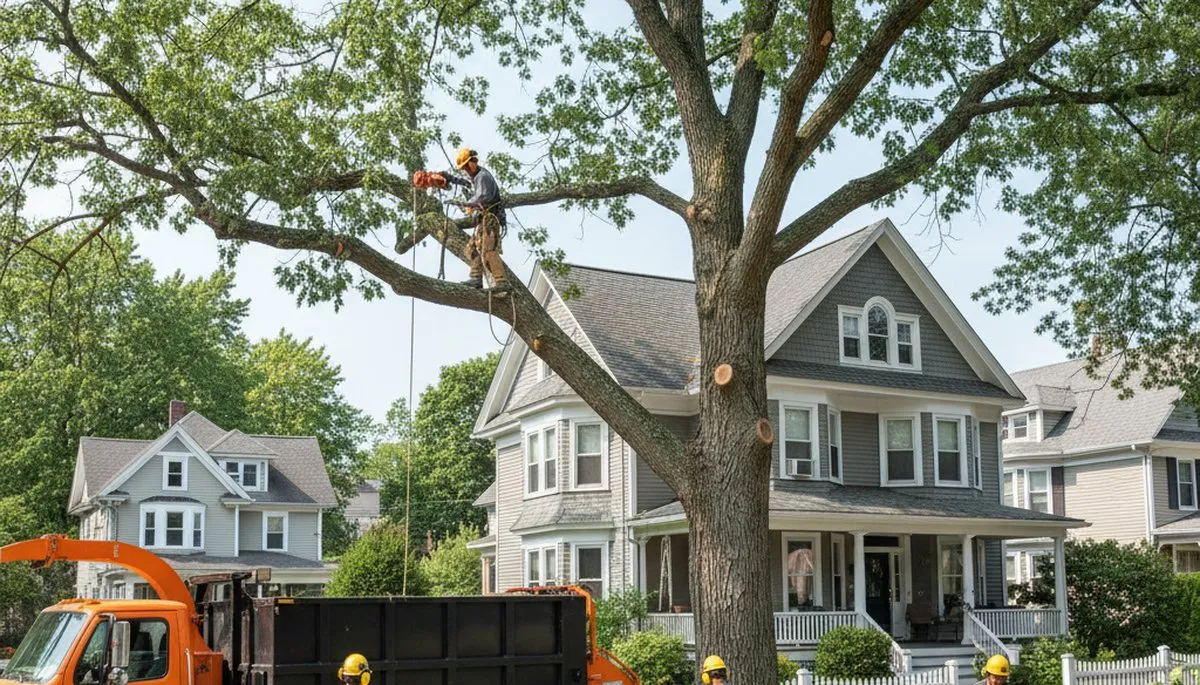
Dorchester Center is one of Boston's most densely settled urban neighborhoods, where triple-deckers, attached rowhouses, and narrow side streets define the landscape. Mature oaks, elms, and silver maples crowd property lines, and root systems often conflict with aging sidewalks, utility lines, and shared driveways. The tree care professionals in Saugus within the Arbor Tree Care network understand how to evaluate structural risk, work within tight access points, and manage canopy growth on properties that need safe, practical service in Boston’s demanding urban environment.
That is why so many property owners in Dorchester Center, MA, turn to Arbor Tree Care for year-round maintenance.

Prefer to Talk to An Expert?
(781) 209-6060
Why Dorchester Center Property Owners Trust Local Professionals to Get It Right
With experience shaped by the neighborhood, these professionals know how to handle dense lot layouts, aging hardwood canopies, and the close presence of utility lines. Every job is approached with the tools and methods best suited to Dorchester Center properties, with attention to limited access, storm exposure, and the root-and-infrastructure conflicts common in this part of greater Boston.
From professional stump removal solutions along Dot Ave near the Peabody Square intersection to expert tree pruning services around the triple-deckers on Washington Street, each project is completed with careful planning and dependable results.
If you care about keeping your property orderly and safe, count on local contractors who understand how to work in Dorchester Center.
Our Tree-Service Services
in Saugus, MA, Include
A Service Area Designed to Fit Your Dorchester Center Neighborhood
The close-set residential blocks and limited access points in this neighborhood call for tree care that is carefully planned, not generic. Local professionals bring customized solutions to the varied property layouts found throughout Dorchester Center.
Whether it’s a triple-decker in Uphams Corner, a detached colonial near Adams Village, or a multi-unit property close to the Neponset River Greenway, the approach is adjusted to fit the site.
From tree trimming and tree removal to emergency tree services and root protection, each service is tailored to the neighborhood’s layout and the needs of the individual property.
Dorchester Center's Mature Urban Canopy, Rooted in History
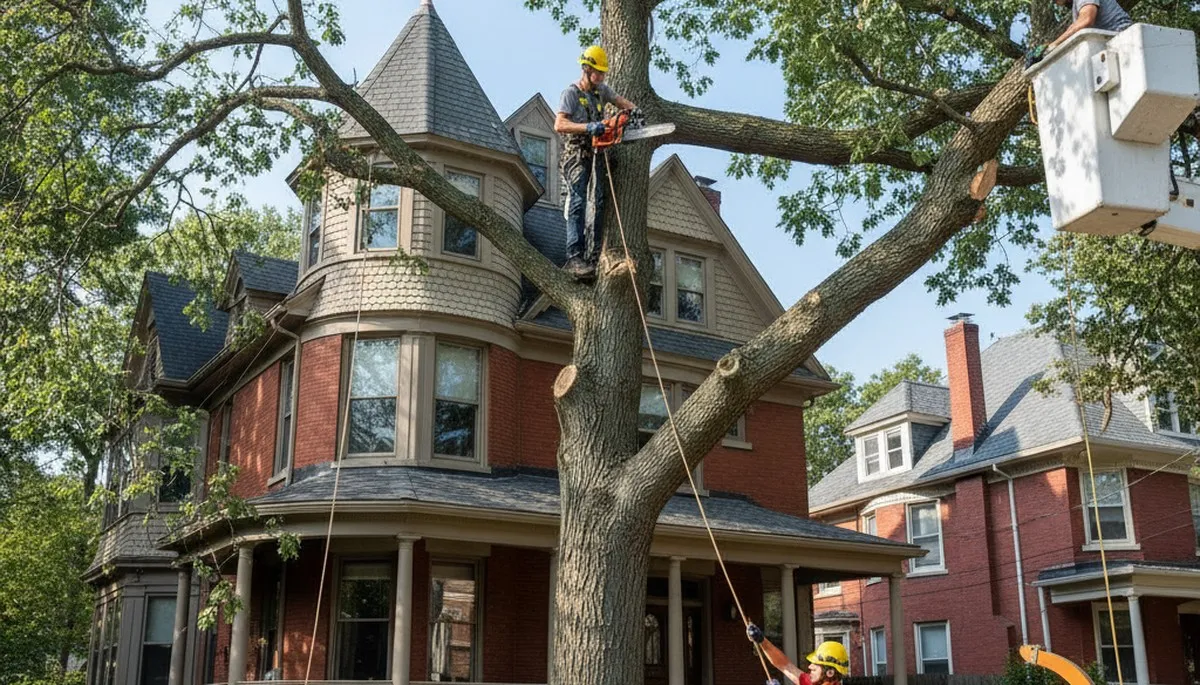
Dorchester Center has long been part of Boston’s built landscape, with homes and streets that have been in place for generations. Many of the trees growing here have matured alongside that history, which is why today’s tree work often involves crowded canopies, weakened root zones, and branches that are more vulnerable to storms.
Utility Line Conflicts and Canopy Overgrowth
In many parts of Dorchester Center, especially near Dorchester Avenue and the Columbia Road corridor, established trees have grown far beyond the space originally available to them. Their branches now frequently interfere with overhead utility lines and rooflines, creating access problems and safety concerns for both property owners and utility crews.
Local professionals address these issues with directional pruning, crown reduction, and targeted limb removal to reduce future conflicts and lower the risk of outages or storm-related failures.
Root Damage to Sidewalks and Shared Driveways
Older silver maples and Norway maples in the neighborhood offer broad shade, but they can also create major problems below the surface. Their aggressive roots often lift sidewalk sections and crack shared driveway aprons, leading to trip hazards and liability concerns for owners.
Professionals manage these conditions through root barrier installation, selective root pruning, and tree removal when the damage can no longer be corrected, all while accounting for existing hardscape and utility lines.
Storm-Damaged and Structurally Compromised Trees
After years of nor'easters and occasional ice storms, many Dorchester Center hardwoods show co-dominant stems, included bark, and split branch unions that weaken their structure.
Trusted pros respond with structural pruning, cabling and bracing evaluations, and full removal when needed, helping improve tree safety and protect long-term property value.
Fungal Disease and Pest Pressure in High-Humidity Conditions
Boston’s humid summers and tightly packed planting conditions can hold moisture in the canopy, which encourages fungal spread among elm, oak, and linden trees. Anthracnose, verticillium wilt, and tar spot are common issues that can gradually reduce tree health over time.
Experienced crews use targeted tree disease treatments, including fungicide applications, canopy thinning to improve airflow, and soil amendment programs, to support long-term tree health in Boston’s humid climate. Properties near Ronan Park and the Dorchester Heights area also benefit from proactive insect management strategies that address emerald ash borer and winter moth pressure before infestations spread.
Tight Lot Access and Equipment Constraints
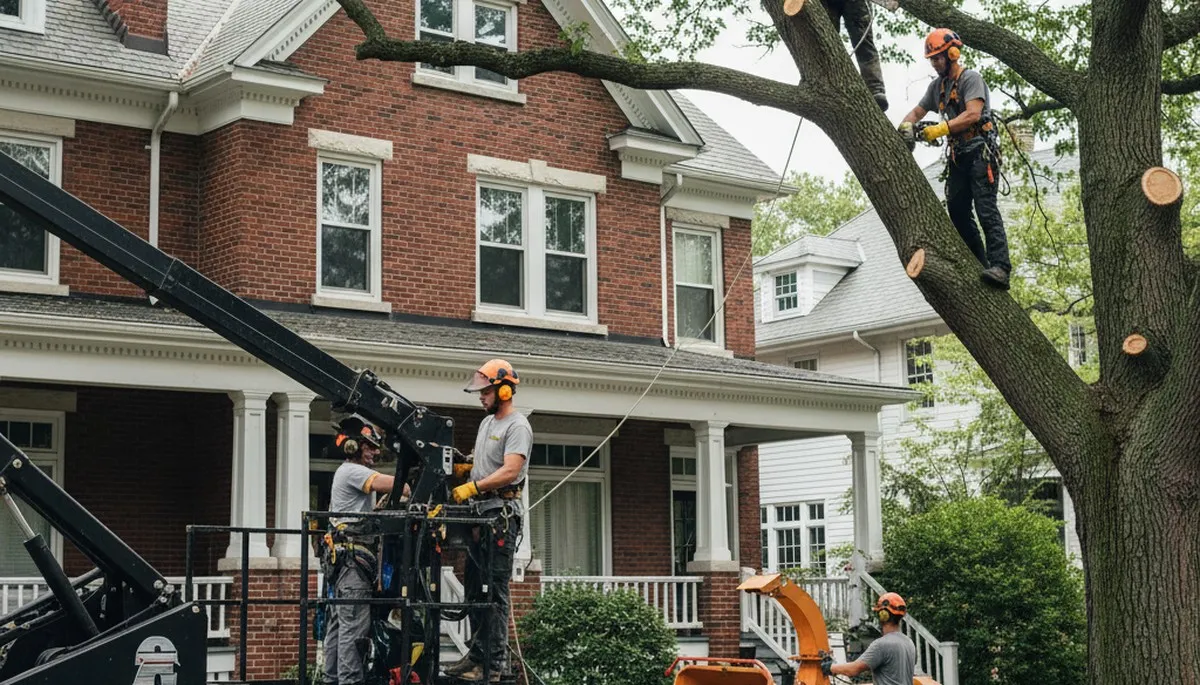
Narrow side yards, fenced rear lots, and shared driveways are standard in Dorchester Center, which makes removals and stump grinding more difficult without careful planning.
Local pros use compact aerial lifts and small-footprint stump grinding equipment, with an emphasis on protecting surfaces and coordinating with neighbors so the work fits the property without unnecessary disruption.

Kick off your tree service project today!

Tree Services in Dorchester Center, MA: Care for Every Season
From routine canopy maintenance to storm response, local pros help keep properties neat, stable, and protected throughout the year:
Routine Tree Trimming and Pruning in Dorchester Center, MA
- Crown cleaning and deadwood removal for mature oaks and elms along Dorchester Avenue, helping reduce the chance of falling limbs over walkways and parked cars.
- Canopy elevation pruning on triple-decker lots throughout Uphams Corner, improving clearance over driveways, entrances, and sightlines.
- Directional pruning near utility lines along the Columbia Road corridor, guiding branch growth away from overhead infrastructure while preserving tree health.
- Structural pruning for young street trees recently planted through Boston’s urban forestry programs near Peabody Square, building strong branch structure early in development. Similar canopy maintenance is also available through tree trimming services in Revere, MA, where dense urban conditions create many of the same challenges.
- Seasonal pruning cycles scheduled for dormant periods on disease-prone trees like elm and linden, helping lower fungal risk across properties near Adams Village and the Neponset River corridor.
Plan trimming ahead of winter storm season to help reduce hazardous limb exposure across your Dorchester Center property.
Tree Removal Services in Dorchester Center, MA
- Hazardous tree removal for weakened silver maples and Norway maples in rear lots throughout the Savin Hill and Meeting House Hill areas, where storm stress and root damage have made retention unsafe.
- Storm-damaged tree removal after nor'easters and ice events that split co-dominant stems or caused root-plate failures on residential properties near Dorchester Park.
- Dead tree removal for elm and ash populations affected by Dutch elm disease and emerald ash borer pressure, removing decay before secondary pests spread to nearby trees.
- Removal in constrained access conditions using rigging and sectional takedown methods on fenced rear lots and narrow side yards throughout the Dot Ave corridor.
- Multi-tree removal coordination for renovation projects near the Uphams Corner commercial district, where lot clearing must be timed around active pedestrian and vehicle traffic.
Removing dead or storm-damaged trees quickly helps protect fencing, utility connections, and neighboring structures from added damage during high winds.
Stump Grinding and Cleanup in Dorchester Center, MA
- Stump grinding in confined rear yards using compact equipment sized for the narrow access points common on attached and semi-attached Dorchester Center properties.
- Sidewalk-adjacent stump removal along residential streets near Codman Square, where leftover stumps create trip hazards and limit pedestrian clearance.
- Root flare grinding for stumps left by removed Norway maples, addressing the lateral root systems that can continue to lift hardscape after the trunk is gone.
- Post-removal site cleanup and soil backfill to restore grade and prepare the area for lawn care restoration or new tree planting projects across Dorchester Center properties.
- Stump treatment for multi-stem shrub removals near foundation plantings in the Adams Village and Meeting House Hill areas, helping prevent regrowth from persistent root systems.
Removing stumps and leftover root mass opens usable yard space and reduces the pest habitat created by decaying wood in dense urban neighborhoods. Residents in nearby communities, including those looking for stump grinding in Charlestown, MA, deal with many of the same tight-lot conditions that shape stump work in Dorchester Center.
Emergency Tree Services in Dorchester Center, MA
- 24-hour storm response for fallen trees blocking shared driveways, front walks, and street access throughout Dorchester Center after nor'easters, tropical storms, and ice events.
- Emergency limb removal for hanging or partially attached branches over rooflines, utility connections, and parked vehicles on streets near Savin Hill Avenue and Dorchester Park.
- Post-storm structural assessment for standing trees with visible crown damage, helping determine whether cabling, pruning, or full removal is the right next step before the next storm.
- Rapid debris clearing from yards and access paths after wind events, restoring safe passage for residents and emergency vehicles across the neighborhood’s closely packed blocks.
- Emergency root failure response for shallow-rooted trees in compacted urban soils, where saturated ground after heavy rain can cause sudden lean or full collapse without warning.
Quick emergency response limits secondary damage and restores safe access to Dorchester Center homes and multi-unit buildings when storm conditions create urgent tree hazards.